Imagine a sudden power outage on a stormy night. Your generator kicks in to keep your home or business running, but what if it is exposed to harsh weather, noisy, or accessible to curious hands? This is where a generator enclosure comes in. Protecting a generator is not just about keeping it running — it is about ensuring safety, minimizing noise, and prolonging its lifespan.
In large-scale renovations, upgrading a building to meet power demand and accommodate large generators requires substantial investment and retrofitting. It is often more efficient to place the generator outside, and suitable housing makes this possible.
This article explores the different types of generator enclosures, their key benefits, and helps you choose the right one to safeguard your generator.
What is a generator enclosure?
A generator enclosure is a specially designed housing that surrounds a generator, protecting it from external factors while ensuring safe and efficient operation. Its core purpose is to safeguard the generator and its surroundings, making it essential for both residential and commercial setups.
Why generator enclosures are important
- Protection from environmental elements: Enclosures shield generators from rain, snow, dust, strong sunlight, and extreme temperatures, preventing damage and ensuring consistent performance.
- Noise attenuation: Generators can be noisy during operation. Enclosures help reduce sound levels by absorbing and blocking noise, making them more suitable for neighborhoods and workplaces.
- Improved longevity and performance: By keeping out dust, moisture, and debris, and by regulating temperature and airflow, enclosures help generators last longer and run more efficiently, reducing maintenance costs and downtime.
- Security: Enclosures help deter theft and unauthorized access, protecting expensive equipment.
- Aesthetics: Modern enclosures are designed to blend with their surroundings, providing a cleaner and more organized appearance.
- Safety for people and animals: Enclosures minimize the risk of accidental contact with hot surfaces, moving parts, and electrical components, protecting operators, children, pets, and bystanders.
Materials used for generator housings
Generator enclosures are made from a variety of materials, each offering unique benefits depending on the intended use, environment, and budget. The most common materials include:
- Steel: Steel is strong, durable, and ideal for heavy-duty applications. It offers excellent protection against impact and harsh conditions. However, it is relatively heavy, can be prone to rust if not properly treated or coated, and may provide less natural noise reduction compared to other materials.
- Aluminum: Aluminum is lighter than steel and naturally resistant to corrosion, making it suitable for outdoor use in humid or coastal areas. It is durable but typically less impact-resistant than steel and provides moderate noise attenuation.
- Plastic/polymer: Enclosures made from plastic or high-grade polymers are lightweight, corrosion-resistant, and easy to transport. They offer good resistance to weather but may not be as strong as metal options, and noise reduction is usually limited unless additional insulation is added.
- Composite materials (e.g., fiberglass): Fiberglass and other composites combine strength, durability, and corrosion resistance. They are lightweight, resistant to rust, and can provide excellent noise reduction. However, they can be more expensive and may require careful handling to avoid cracks or damage from heavy impacts.
Common types of generator enclosures
1. Open frame enclosures
Basic enclosures that provide minimal protection, often just a metal frame around the generator.
- Key features: Lightweight, easy access for maintenance, and low cost.
- Best for: Indoor use, controlled environments, or temporary setups.
- Pros: Affordable, easy to move, simple design.
- Cons: Limited protection against weather, noise, and unauthorized access.
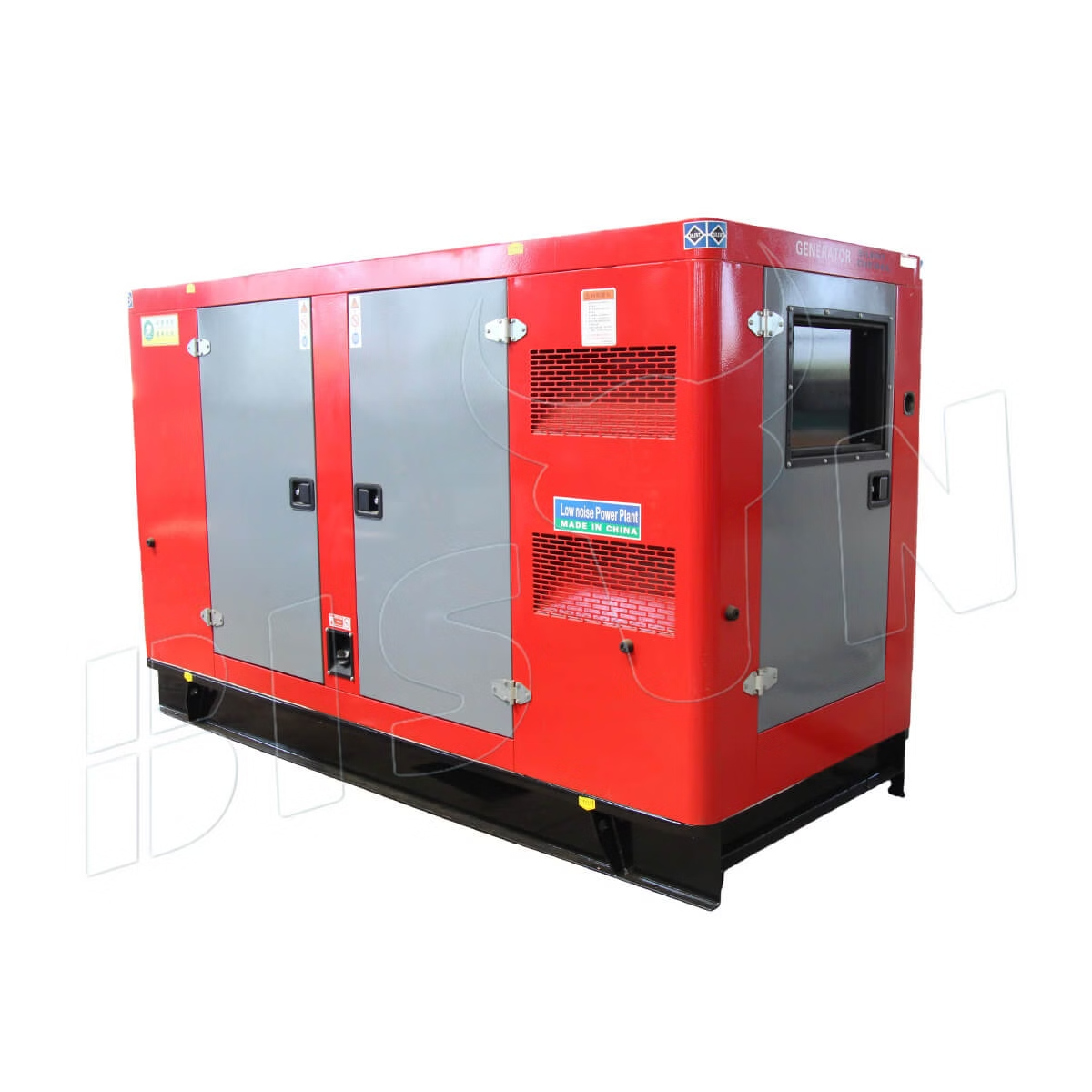
2. Weatherproof / weather-resistant enclosures
Fully sealed enclosures designed to protect generators from rain, snow, dust, UV exposure, and changing temperatures.
- Key features: Corrosion-resistant materials, durable construction, and ventilation systems.
- Best for: Outdoor installations in residential, commercial, or industrial areas.
- Pros: Excellent protection from environmental elements, durable, and low maintenance.
- Cons: Slightly higher cost, may require ventilation planning.
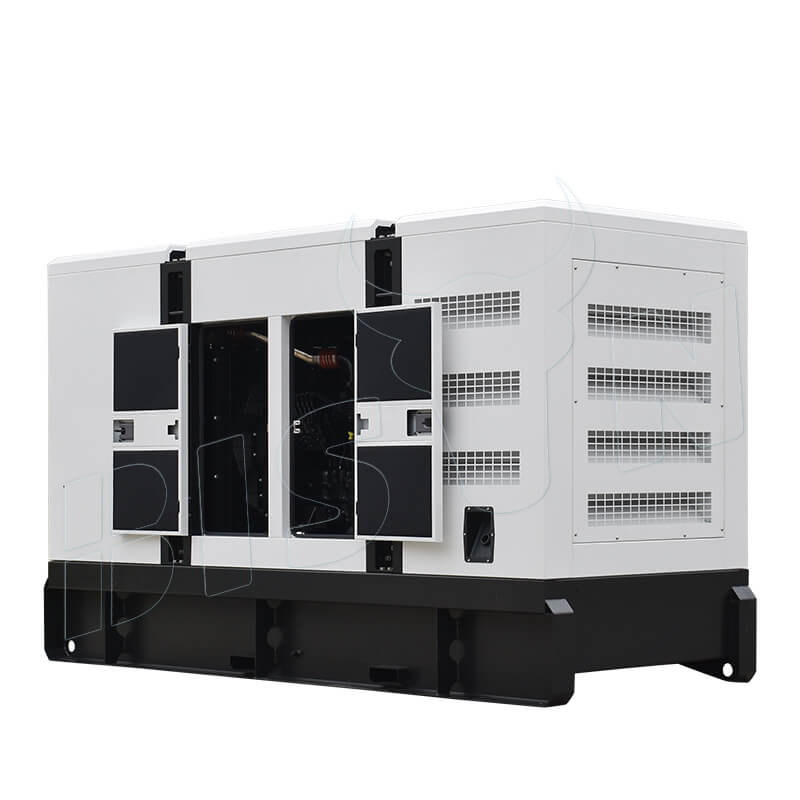
3. Soundproof/acoustic enclosures
Enclosures are built to reduce operational noise using sound-absorbing materials.
- Key features: Acoustic panels, vibration isolation, tight seals, insulation, and internal mufflers or baffles.
- Best for: Urban areas, hospitals, schools, or locations sensitive to noise.
- Pros: Significantly reduces noise and improves comfort and compliance with regulations.
- Cons: Heavier, more expensive, and may limit airflow if not properly designed.
4. Walk-in enclosures
Large enclosures that allow personnel to enter for maintenance or inspections.
- Key features: Spacious interior, doors, lighting, ventilation, insulation, and safety features.
- Best for: Large commercial or industrial generators requiring frequent access.
- Pros: Easy maintenance, accommodates large units, secure, and can be weatherproof and soundproof.
- Cons: High cost and requires more space.
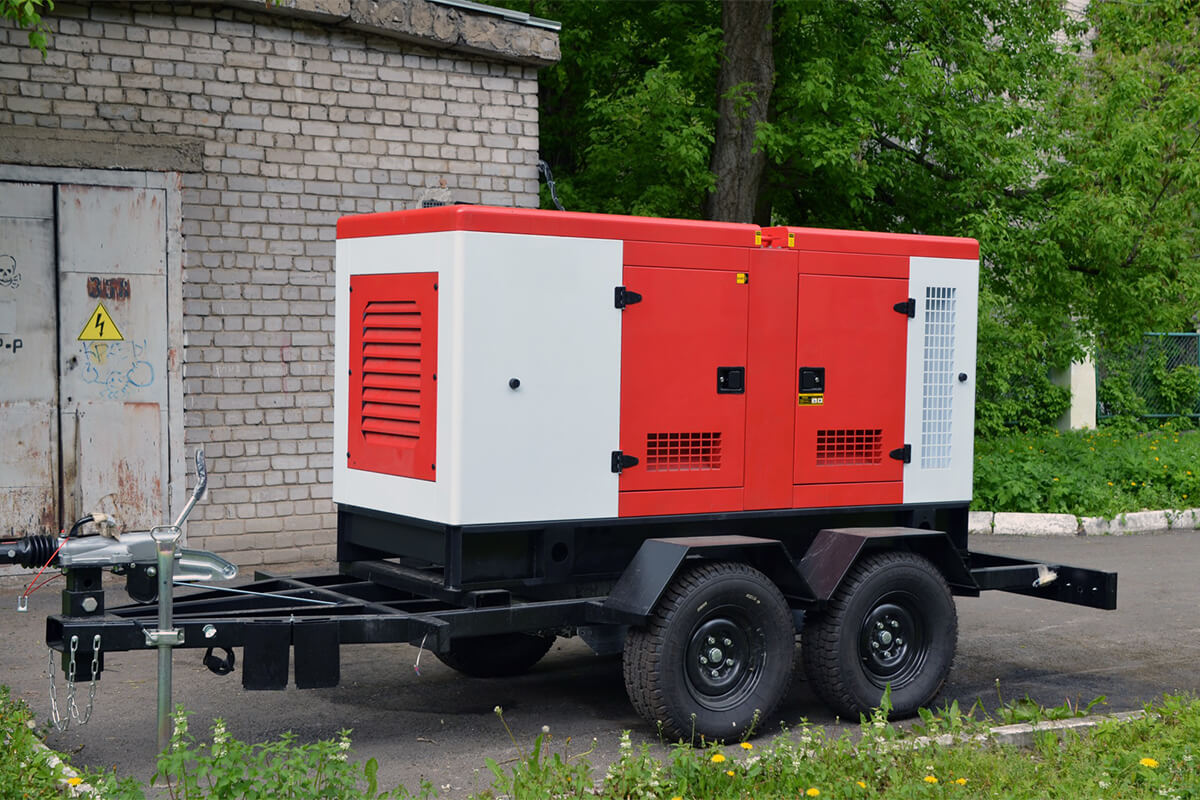
5. Trailer-mounted enclosures
Portable enclosures mounted on trailers for mobility.
- Key features: Wheels, towing hitch, compact but protective design.
- Best for: Temporary power for construction sites, events, or emergency backup.
- Pros: Portable, convenient, fully protected.
- Cons: Limited size and may require towing equipment.
Factors to consider when choosing a generator enclosure
1. Noise requirements
In residential areas, hospitals, or schools, a soundproof or acoustic enclosure may be necessary to reduce noise levels and prevent disturbances. Noise protection helps maintain health and safety, as prolonged exposure to loud sounds can cause hearing issues. Larger enclosures with insulation can reduce or cancel noise more effectively, but may cost more.
2. Environmental conditions and ventilation
Outdoor locations exposed to rain, snow, dust, high winds, or extreme temperatures require a weatherproof or weather-resistant enclosure. The enclosure must also provide sufficient ventilation and airflow, including cooling systems such as radiators and fans, to prevent overheating and maintain optimal performance.
3. Generator size and type
Large industrial generators may need walk-in or custom enclosures, while smaller units may be suitable for standard weatherproof or acoustic models.
4. Security needs
If the generator is placed in a public or accessible area, security is essential. Enclosures with lockable doors and reinforced materials help prevent theft, vandalism, and unauthorized access. All access points, connections, valves, switches, fuel tanks, and system controls should be securely protected.
5. Maintenance access
Choose an enclosure that allows easy access for maintenance, refueling, and inspections. Features such as doors, removable panels, or walk-in spaces make upkeep easier and help reduce downtime.
6. Fuel considerations
Some enclosures include integrated high-capacity fuel tanks, which can protect fuel lines and connections while improving performance. Double-wall construction and proper systems for handling spills or overflows should be considered.
7. Appearance
A well-designed enclosure can enhance the overall look of a facility. Materials, colors, and durable finishes should allow it to blend with the surroundings while remaining clean, corrosion-resistant, and easy to maintain.
8. Budget
High-end or custom enclosures offer more protection and features, while standard options may be sufficient for smaller generators or controlled environments.
Maintenance and safety tips for enclosed generators
1. Regular inspection and cleaning
Check the generator and enclosure frequently for dust, debris, or dirt buildup. Clean both exterior and interior surfaces to prevent blockages in vents or cooling systems that can affect performance and safety.
2. Ensure proper ventilation
Generators produce heat and exhaust gases during operation. Make sure the enclosure has adequate ventilation to prevent overheating and allow proper airflow. Avoid blocking vents with objects or debris.
3. Check for corrosion or damage
Inspect the enclosure for signs of rust, cracks, or other damage, especially if it is made from metal or exposed to outdoor conditions. Address any issues promptly to maintain protection and structural integrity.
4. Monitor electrical and fuel systems
Regularly check wiring, connections, and fuel lines inside the enclosure. Ensure all components are secure and functioning properly to prevent accidents or equipment failure.
5. Follow safety guidelines
Always follow manufacturer guidelines when operating your generator inside an enclosure. Keep children, pets, and unauthorized personnel away, and never bypass safety features or ventilation systems.
Summary
Selecting the appropriate type of generator enclosure is crucial for protecting the equipment, reducing noise, ensuring safety, and extending the generator’s service life. From open-frame designs for simple setups to weatherproof, soundproof, walk-in, trailer-mounted, or custom enclosures, each type offers unique benefits for different needs and environments.
At BISON, we offer a diverse range of high-quality generators featuring various housing options — including open-frame, semi-enclosed, and fully enclosed designs — all manufactured in strict adherence to the highest quality standards. Contact BISON, your generator manufacturer, today to import generators from China and discover the housing solution best suited to your needs.