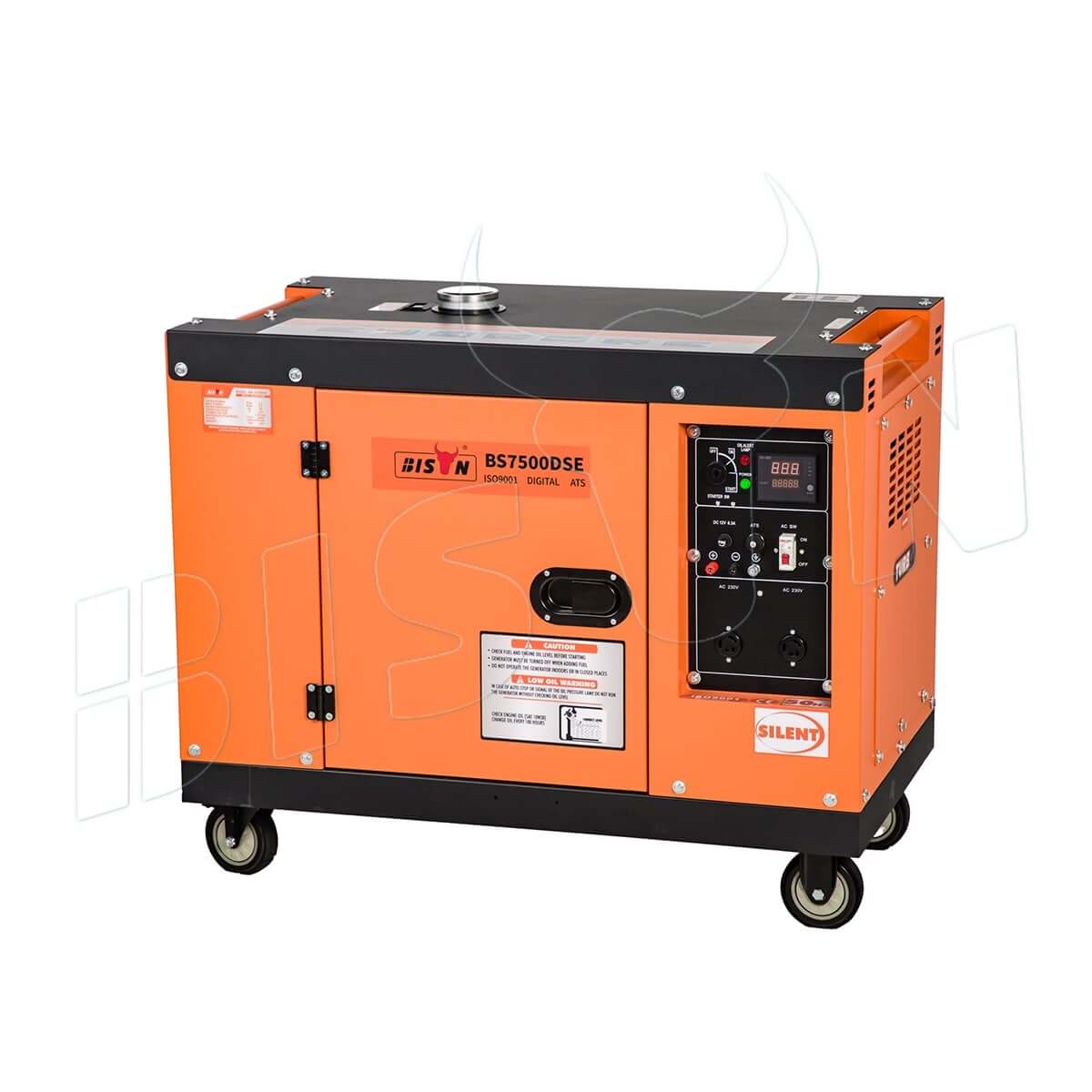
When the main power supply fails, a diesel generator ensures that the lights stay on, machines continue to run, and essential work remains uninterrupted. To perform reliably, the engine must remain in good condition, and proper oil pressure is a key factor.
Engine oil works like blood in the human body, while oil pressure acts like blood pressure. Oil circulates through the engine to lubricate moving parts, reduce friction, and control heat. Low oil pressure is one of the most common diesel generator faults. If the pressure becomes too low, engine parts may not receive enough lubrication, which can quickly cause damage.
It can affect engine performance, shorten engine life, and lead to sudden breakdowns. If ignored, it may result in serious engine failure and costly repairs. In this article, BISON will introduce the symptoms of low oil pressure in diesel generators, explore their common causes, and outline the appropriate countermeasures to take.
What is oil pressure and why does it matter?
Oil pressure is the force that pushes engine oil through a diesel generator’s engine. It allows oil to move from the oil pan to critical engine components such as bearings, pistons, and camshafts. Proper oil pressure ensures that oil reaches all engine components.
What does engine oil do?
- Lubrication: Reduces friction and prevents direct contact between moving metal parts.
- Cooling: Helps carry heat away from engine components.
- Cleaning: Collects dirt, debris, and metal particles and moves them to the oil filter.
Normal oil pressure range
Normal oil pressure varies depending on the diesel generator model and manufacturer. Engine design, operating load, and temperature can also affect oil pressure. Always refer to the generator’s manual to determine the correct oil pressure range for your specific unit.
Why low oil pressure is dangerous
- Seized generator: Without sufficient oil, internal parts can rub against each other, causing them to overheat and break.
- Bent or damaged valves: The valves may not close properly before the piston returns, which can result in bent or damaged valves.
- Broken or worn bearings: Without enough lubrication, friction increases, causing bearings to wear out or break.
- Damage to the oil pump: Low oil pressure can also damage the oil pump. A damaged pump can worsen lubrication problems and lead to further engine damage.
These problems can be expensive to repair or replace, and in severe cases, the entire generator may need to be replaced.
Causes and solutions for low oil pressure in diesel generators
1. Generator oil level is low
A low oil level is one of the most common causes of low oil pressure. When the oil level falls below the oil pump supply tube, the pump cannot deliver oil to the engine components, causing pressure to drop. Low oil levels can also result from oil leaks. External or internal leaks reduce the total amount of oil in the system, lowering pressure.
Solution: Add the specified amount of lubricant, and use the lubricant type recommended in the operation manual.
2. Generator oil is contaminated
Low oil pressure can occur when coolant, fuel, or water mixes with the oil. Excess fluid increases the oil level in the crankcase and usually indicates a leak from another part of the generator. Common contaminants include diesel fuel, coolant, or water.
Solution: Identify and repair the source of the leak. After fixing the problem, drain the contaminated oil, refill with approved oil, and replace the oil filter.
3. Generator oil bypass valves open
If the oil bypass valves remain open, oil pressure may drop. This often occurs when debris or dirt enters the oil system. Internal engine wear from components such as camshafts, crankshafts, or pistons can produce metal particles that block or affect the valves.
Solution: Remove the oil bypass valves and clean away any debris. Cleaning the valve bores is also recommended. After cleaning, replace the oil and oil filter.
4. Oil lines or oil passages not functioning
Broken, disconnected, or blocked oil lines can reduce oil pressure. Oil passages may also become clogged with debris or misaligned, preventing normal oil flow. An open lubrication system may also result from a missing or damaged piston cooling nozzle. Improper installation, blockage, or damage can affect lubrication and may lead to piston seizure.
Solution: Inspect oil lines and passages to ensure they are properly connected and free from damage or blockage. Check piston cooling nozzles for correct installation and condition.
5. Blockage in oil suction tube
The oil suction tube contains an inlet screen that can become clogged or damaged. This restriction may cause cavitation and lead to low oil pressure. Low oil pressure can also occur if the oil pickup tube is not properly positioned and draws in air instead of oil.
Solution: Clear any blockages from the suction pipe’s inlet strainer. Check the tube joints for cracks, misalignment, or damaged O-ring seals. The oil pan may need to be removed to access the oil pickup tube.
6. Oil pump problems
Air leaks on the oil pump’s supply side can cause cavitation and a loss of oil pressure. Excessive wear of the oil pump gears can also reduce the pump’s ability to create enough suction to circulate oil.
Solution: Repair any air leaks on the intake side of the oil pump. If the pump gears are worn or out of tolerance, repair or replace the gears, or install a new oil pump.
7. Improper bearing clearance
Excessive bearing clearance in the engine can cause low oil pressure. As engine bearings wear, oil flows too easily through the larger clearances, reducing pressure.
Solution: Inspect all internal engine components containing bearings and repair or replace them.
8. Oil pressure display device malfunction
A damaged oil pressure sensor or gauge may show incorrect readings, making the pressure appear too low or too high.
Solution: Replace the oil pressure sensor and gauge with a suitable unit.
9. Excessive oil viscosity
Oil that is too thin may not maintain adequate pressure, especially at high engine temperatures. Oil that is too thick may not circulate properly during startup and can temporarily increase pressure, particularly in cold weather.
Solution: Use the recommended engine oil specified in the generator’s technical data. In cold conditions, allow the engine to warm up so the oil viscosity can stabilize.
10. Clearance of pressure lubrication parts too small or secondary oil filter blocked
If the clearance of pressure-lubricated components such as cam bearings, connecting rod bearings, crankshaft bearings, or rocker arm bearings is too small, oil flow resistance increases and pressure rises. A blocked secondary oil filter can also restrict oil flow.
Solution: Check bearing clearances during maintenance and adjust if necessary. Clean or replace the secondary oil filter if it becomes blocked.
11. Improper adjustment of pressure limiting valve
Oil pressure is controlled by the spring force of the pressure-limiting valve. If the spring force is set too high, oil pressure in the lubrication system will increase.
Solution: Adjust the spring force of the pressure limiting valve so that the oil pressure returns to the specified value.
When to seek professional assistance?
If you observe any of the following conditions, please immediately contact a qualified professional technician:
- Oil pressure remains low even after adding oil and inspecting the generator.
- The engine emits abnormal noises, such as knocking, ticking, grinding, or clicking sounds.
- The generator repeatedly shuts down automatically due to a low oil pressure alarm.
- There is internal engine damage involving a failure of the oil pump, engine bearings, or other internal components.
Symptoms of low oil pressure
- Warning lights, alarms, and automatic shutdowns: When oil pressure drops, a warning light may turn on, or an alarm may sound on the control panel. In many cases, the generator will automatically shut down to protect the engine.
- Engine temperature and performance issues: Low oil pressure reduces lubrication and cooling inside the engine. As a result, the engine may overheat, and its performance may decline. This can manifest as excessive generator temperature, insufficient power output, or the generator misfiring or stalling.
- Unusual engine noises: When engine components do not receive enough oil, friction increases, and abnormal sounds may appear. These noises can include knocking, tapping, grinding, or rattling, indicating that internal parts are not properly lubricated.
- Increased fuel consumption: Low oil pressure can reduce engine efficiency. As the generator works harder to maintain operation, fuel consumption may increase.
- Oil leakage: Oil puddles or stains under the generator or around seals and gaskets may indicate low oil pressure or oil loss.
- Exhaust smoke: Insufficient lubrication can cause overheating, which may produce black or blue smoke from the exhaust.