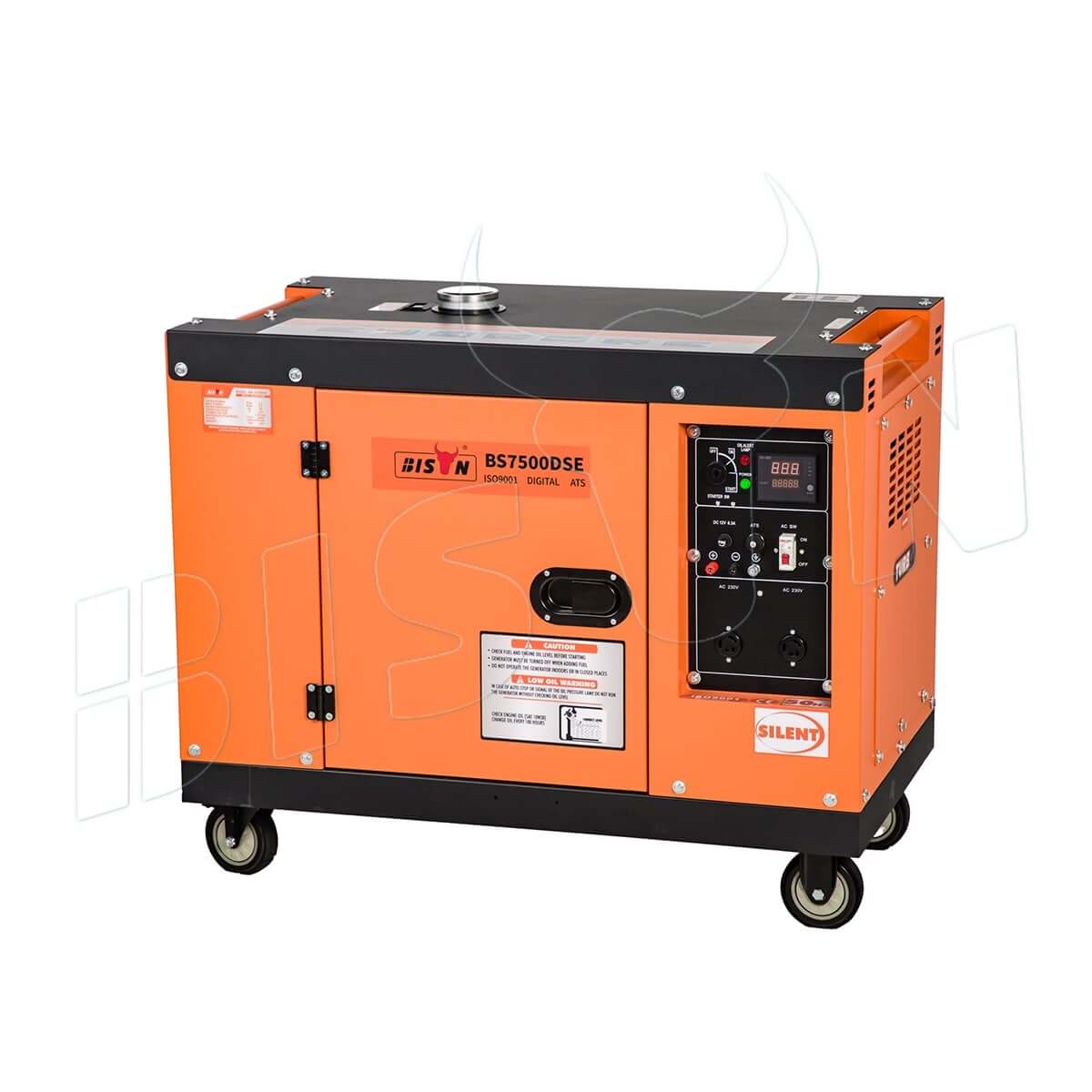
Diesel generators are trusted for reliable power when the main electricity supply is unavailable or unstable, and are widely used on construction sites, factories, hospitals, offices, and remote areas where power consistency is critical. During operation, users may notice flickering lights, electronics restarting, or an uneven-sounding engine — signs of unstable speed, meaning the engine cannot maintain a steady running speed. This typically appears as hunting, where the speed oscillates in a regular cycle, or surging, where the speed changes suddenly and unpredictably.
Unstable speed affects generator efficiency, output, and connected equipment, potentially causing long-term damage. Since engine speed controls electrical frequency (typically 50Hz or 60Hz), fluctuations can harm equipment and stress generator components. Stable speed ensures safer operation, longer equipment life, and high-quality power.
In this article, BISON explains the basics of speed control, common causes of unstable speed of diesel generator, step-by-step troubleshooting, and practical preventive measures for smooth, reliable generator operation.
Understanding diesel generator speed control
Diesel generators must maintain a steady engine speed to ensure stable and reliable power. When the electrical load changes, the engine must adjust quickly to maintain consistent output. This is done through the speed control system, which includes the governor and fuel injection system. Key points include:
Governor system
- Monitors engine speed and adjusts fuel supply.
- Increases fuel when the load rises to prevent engine slowdown.
- Reduces fuel when the load drops to avoid overspeed.
Fuel injection control
- Works with the governor to deliver the right amount of fuel at the right time.
- Ensures smooth engine operation under varying loads.
Engine speed and electrical frequency
Engine RPM directly affects output frequency. For example, in a 4-pole generator: 1500 RPM produces 50 Hz, and 1800 RPM produces 60 Hz. Frequency formula: f = RPM × P / 120, where f is frequency, RPM is engine speed, and P is the number of poles.
Types of governor systems
- Mechanical governors: Simple and durable, slower response, less precise.
- Electronic governors: Sensors and control units provide faster, more precise adjustments.
- Digital / ECU-based systems: Advanced sensors and software maintain very accurate speed and frequency, ideal for modern generators requiring high power quality.
Causes of unstable speed in diesel generators
1. Idle speed irregularities
- Diesel generators may run at idle with inconsistent speed, easily stalling during rapid deceleration, load changes, or shifting.
- Often caused by governor failure or improper idle adjustment.
2. Governor-related issues
- Worn fly balls: Wear on small rollers causes irregular contact and collisions, producing unstable speed.
- Incorrect idler or constant speed spring adjustment: Soft or misaligned springs slow the fuel supply response, leading to stalling or surging.
- Weakened speed control springs: Reduce the sensitivity of the governor.
- Mechanical wear or poor lubrication: Worn fork grooves, conical surfaces, or dirty/thick oil can jam the governor movement.
- Faulty sensors or linkages: Loose or misaligned parts, or malfunctioning electronic/ECU systems, prevent proper fuel adjustment.
Troubleshooting: Clean the governor, change oil, and repair or replace damaged parts.
3. Fuel injection system problems
- Oil feed rod stiffness: Rust, worn plunger couplings, or poor installation can reduce fuel rod flexibility, causing inconsistent fuel delivery.
- Injection pump failure: Incorrect valve timing, worn plungers or delivery valves, or misadjustment can cause uneven fuel supply.
- Low-pressure oil issues: Air, water, or blockages in the fuel circuit lead to irregular fuel supply, especially at low speeds.
- Cylinder compression problems: Uneven or insufficient compression causes combustion differences between cylinders, destabilizing engine speed.
4. Load-related causes
- Sudden increases or decreases in electrical load.
- Unbalanced loads on three-phase generators.
- Rapid or uneven load changes force the engine to adjust quickly, triggering hunting or surging.
5. Mechanical wear and engine components
- Camshaft cone bearing wear leads to axial irregular movement, destabilizing speed.
- Internal wear in engine components affects smooth operation and low-speed stability.
6. Environmental and maintenance factors
- Dirty or clogged air filters restricting airflow.
- Extreme temperatures or high altitude affect engine performance.
- Poor maintenance or irregular servicing reduces engine efficiency.
Symptoms of speed instability
Audible symptoms
- Hunting or surging sounds from the engine, where RPM rises and falls rhythmically or irregularly.
- Unusual knocking or rough engine noises indicate uneven combustion.
Visual symptoms
- Flickering or dimming lights during operation.
- Equipment malfunctions or unexpected resets of sensitive devices.
- Excessive vibration or shaking of the generator.
- Abnormal exhaust smoke, such as black or uneven smoke patterns.
Measurable symptoms
- Fluctuating frequency, showing inconsistent Hz output.
- Unstable voltage on generator terminals.
- Erratic RPM readings on gauges or control panels.
System warnings
- Alarms or indicator lights signaling speed, frequency, or voltage problems.
- Automatic trips or shutdowns triggered by protective systems.
Diagnosis and troubleshooting of unstable diesel generator speed
1. Safety first
- Turn off the generator and isolate it from electrical loads.
- Wear proper personal protective equipment (PPE) such as gloves and safety glasses.
2. Visual inspection
- Check for fuel, oil, or coolant leaks.
- Inspect for loose, damaged, or worn parts, belts, and connections.
- Examine exhaust and air intake systems for obstructions or damage.
3. Fuel system checks
- Verify fuel quality and level.
- Inspect the governor oil for proper level and cleanliness.
- Clean or replace clogged fuel filters and injectors.
- Bleed air from fuel lines to ensure uninterrupted fuel flow.
4. Governor system and linkages
- Check mechanical linkages for tightness and proper adjustment.
- Inspect electronic sensors and controllers for faults or errors.
- Test the governor’s response under changing load conditions.
Governor movement checks
- Move the oil quantity adjustment rod or gear rod to detect resistance.
- Resistance may indicate bent, deformed, rusted, or obstructed rods or levers.
- Free movement with excess clearance may indicate loose screws or excessive tooth gap.
- Disconnect the governor and test the oil volume adjustment lever to isolate the problem.
- Ensure the governor spring is properly shaped and that fly hammer recoil distances are consistent.
- Check camshaft axial clearance.
5. Load analysis
- Observe generator performance under no-load and loaded conditions.
- Identify sudden, unbalanced, or rapid load changes that may trigger speed fluctuations.
6. Use of tools
- Tachometer: Measure engine RPM accurately.
- Multimeter: Check voltage and frequency stability.
- ECU/Controller diagnostics: Detect sensor faults or system errors in modern generators.
7. Review maintenance records
- Look for recurring issues or missed service.
- Compare past fuel, filter, and component replacements to current performance.
8. Consult a professional technician
When specialized diagnostic tools or expertise are required.
For internal mechanical issues, fuel injection repairs, or electronic control faults.
If the problem of unstable speed persists after troubleshooting the diesel generator, please consult a qualified technician or the generator manufacturer for a comprehensive diagnosis.
Essential tips for maintaining stable diesel generator speed
1. Adjust the voltage regulator
Fine-tuning the generator’s voltage regulator can improve voltage stability and maintain consistent output.
2. Replace the voltage regulator
If the voltage remains unstable after adjusting the voltage regulator, the generator’s voltage regulator needs to be replaced.
3. Clean the generator
Dust, grime, and other impurities can cause voltage fluctuations. The frequency of these issues can be decreased by routinely cleaning the generator.
4. Inspect electrical wiring
- Check all circuit connections for damage or looseness.
- Repair or replace faulty wiring to prevent voltage fluctuations.
5. Check the transmission system
- Inspect the transmission belt for proper tightness.
- Ensure adequate lubrication of moving parts.
- Replace worn or damaged components to prevent unstable loads that can affect speed and voltage.
Summary
Unstable speed of the diesel generator can stem from governor or fuel injection pump failure, component wear, misalignment, fuel supply issues, or load fluctuations. Effective troubleshooting requires systematically inspecting idle speed, flyball wear, spring adjustments, oil supply, and governor functionality. Regular maintenance, proper adjustments, and fuel system care ensure smooth operation. Voltage instability can be resolved by adjusting or replacing the voltage regulator, cleaning the generator, and checking wiring and the transmission system.
BISON, one of China’s leading diesel generator manufacturers, has spent over a decade engineering generators built for reliability under real-world demands. Every BISON diesel generator undergoes rigorous quality control — from precision-tuned governors and high-grade AVR systems to factory load testing — ensuring stable output from the first start. Ready to explore partnership opportunities? Contact us today and discover how BISON can become your most reliable supply chain advantage.
FAQs