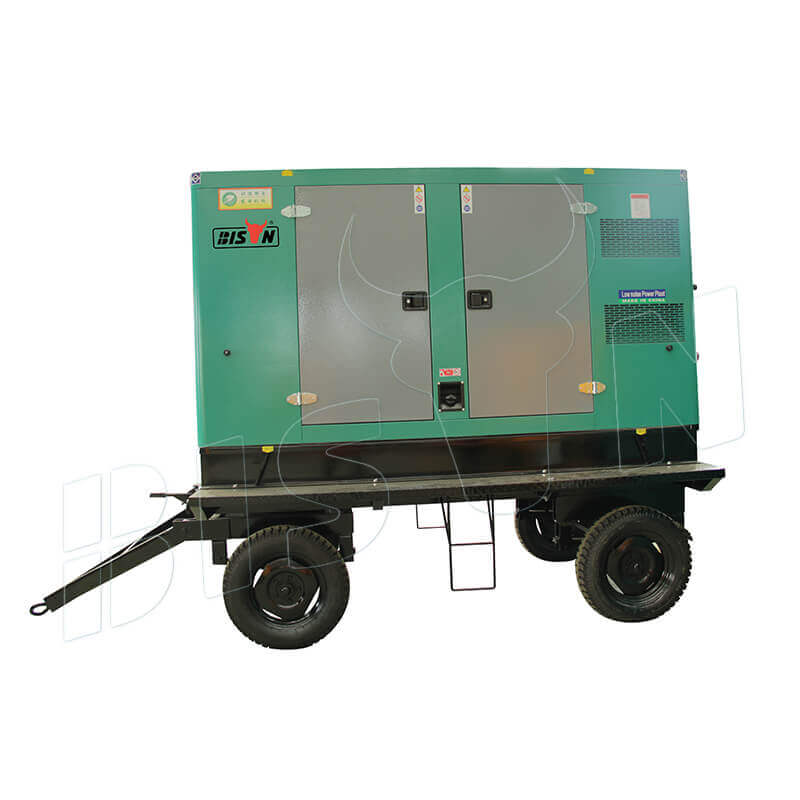
Generators need clean engine oil to lubricate moving parts, minimize friction, and protect internal components. When the oil turns milky, creamy, cloudy, or light brown instead of its usual amber or dark color, it often means water or other contaminants have mixed in. If you leave it unaddressed, it can lead to rust, poor lubrication, excessive wear, and even complete engine failure.
In this blog, we explain what causes generator oil to turn milky, how to check for contamination, and when to seek professional help.
Appearance and color of healthy oil
High-quality generator oil is typically clear and uniform in texture, appearing amber or golden-yellow when new. As the oil is used, it naturally darkens to brown or black as it collects impurities and combustion residues from inside the engine. A darkening of the engine oil does not necessarily indicate a problem.
Signs of contaminated oil
Contaminated oil often loses its transparency and develops a creamy, white-gray, or frothy appearance. Its texture may become thicker or foamier than normal. You can identify abnormal engine oil by the presence of a metallic sheen, foam on the surface, milky residue beneath the oil filler cap, or a milky-white appearance on the dipstick or in the drained oil.
Contaminated oil may emit a sweet antifreeze odor or a stale, waterlogged smell, and it often feels thicker and less slippery than clean oil. Inspect the generator base and surrounding area for standing water or flooding, especially if the unit operates in damp conditions.
The dangers of generator oil discoloration
This change is not merely a cosmetic issue because contaminated oil cannot protect engine components as effectively as clean oil. Water weakens the protective oil film, increasing the risk of corrosion, reduced cooling efficiency, and excessive wear on bearings, pistons, crankshaft components, and journals.
The most common causes of milky generator oil
1. Condensation buildup from short run cycles
This typically occurs in standby generators that are rarely used or run for only short periods. In cold weather, a thin layer of milky residue may form under the oil filler cap because of condensation, while the oil on the dipstick remains normal. This may be temporary and can disappear after the engine reaches its normal operating temperature for a sustained period.
However, if the oil becomes completely creamy, turns milky immediately after an oil change, or is accompanied by overheating, further inspection is necessary to rule out mechanical problems.
2. Oil cooler damage
The oil cooler works like a heat exchanger, with oil and coolant flowing through separate but closely connected passages to regulate the oil temperature.
Over time, corrosion, vibration, or manufacturing defects can cause cracks or small holes in the oil cooler. Since the pressure in the engine cooling system is usually higher than the oil pressure, coolant can enter the oil passages through these damaged areas and mix with the engine oil, creating a milky appearance.
3. Blown head gasket
Overheating, improper installation, incorrect head bolt torque, or normal wear can cause the gasket to fail, breaking the seal between passages and creating milky oil.
Other warning signs include unexplained coolant loss, white exhaust smoke after warm-up, repeated overheating, hard starting, rough running, reduced engine power, and bubbles in the radiator or overflow tank. Compression tests and cooling system pressure tests can help determine whether a damaged head gasket is allowing coolant to enter the crankcase.
4. Cracked engine block or cylinder head
Casting defects, severe overheating, or freezing coolant can cause cracks or damage to engine components. On engines fitted with wet cylinder liners, the liners come into direct contact with coolant. Cavitation or corrosion can damage the liner wall, and a through-wall defect may allow coolant to contaminate the engine oil.
5. Cylinder liner pinholes
The cylinder liner is an essential component located inside the engine block. It can be classified as either a dry liner or a wet liner. Wet liners come into direct contact with the coolant, allowing effective heat transfer but making them more vulnerable to erosion and corrosion. Over time, coolant-related damage can create pinholes in the cylinder liner. These openings may allow coolant to leak into the crankcase and oil pan, contaminating the engine oil and causing it to turn milky.
6. Direct entry of external water
Water from rain, flooding, snow, or equipment washing can enter the engine through loose oil filler caps, damaged seals, dipstick tubes, breathers, air intakes, or other openings. Incorrect exhaust pipe installation can also allow rainwater to enter through the exhaust system, pass the piston rings, and reach the crankcase. If the coolant level remains stable after exposure to water, external contamination may be the cause.
7. Using the wrong oil or overfilling
Using the wrong oil or adding too much oil can also cause an unusual appearance, although these are less common causes of milky generator oil. Excess oil allows the rotating crankshaft to churn the lubricant and introduce air into the sump, making the oil appear pale, cloudy, or frothy.
Guide: how to fix milky oil in a generator
Diagnostic steps to identify the root cause
Oil dipstick and oil cap inspection
Check the dipstick under good lighting to determine whether the oil itself has turned milky or if the residue is only under the oil cap. A tan or cream-like appearance in the oil indicates water contamination. Performing a “crackle test” helps technical professionals detect the presence of moisture in engine oil. Additionally, remove the oil cap and inspect its underside. Heavy creamy residue around the cap indicates early contamination.
Coolant level and exhaust monitoring
For liquid-cooled generators, check the coolant reservoir when the engine is cold. An unexplained or repeated drop in coolant level indicates an internal leak. Observe the exhaust during a cold start: persistent white smoke or a sweet smell indicates internal coolant leakage, whereas temporary vapor results from normal condensation. Monitor the engine temperature for signs of overheating.
Simple preliminary field tests
Observe the generator after it has been off overnight by watching the exhaust, listening for rough running, and checking the dipstick for rapid changes in oil appearance. A chemical block test can detect combustion gases in the coolant reservoir to identify internal leaks. Examining a small oil sample on a clean rag may reveal cloudy streaks from water or a creamy smear with a sweet odor from coolant.
Fixing condensation-related milky oil
Replace the contaminated engine oil and oil filter. Operate the generator under an appropriate electrical load for the duration recommended by the manufacturer, allowing the oil to reach and maintain its normal operating temperature. Ensure the generator runs long enough to evaporate accumulated moisture from the crankcase. Strictly follow the manufacturer’s recommendations for periodic operation and load testing to prevent future condensation buildup.
Flushing and changing contaminated oil
Drain the contaminated oil according to the manufacturer’s service instructions and replace the oil filter, which retains moisture and sludge. Clean the crankcase breather and inspect the air box and intake system, as restricted ventilation contributes to moisture buildup.
If flushing is necessary, use only an approved procedure and the recommended oil. Refill the engine with the specified oil grade and quantity. Heavily contaminated engines may require multiple oil changes to fully remove remaining moisture and sludge.
Dealing with cracks or major internal damage
Cracks in the cylinder head, engine block, or crankcase require professional inspection. Depending on the severity of the damage, repairs involve pressure testing, machining, or complete engine replacement. Compare repair estimates with the generator’s age, replacement cost, and expected downtime. For low-value units with severe internal damage, replacement is the best option.
When to seek professional diagnosis & emergency stop
Advanced diagnostic methods
Consult a qualified technician if the cause remains unclear or if symptoms persist. Compression and leak-down tests identify internal engine failures, while cooling system pressure tests investigate unexplained coolant loss. For high-value standby units, an oil analysis detects water, glycol, and metal wear particles before severe failure occurs.
Emergency shutdown protocol
Immediately stop operating the generator if the oil remains milky, coolant levels drop, white smoke persists, or the engine overheats. Have the cause assessed and any necessary repair and oil service completed before return to service.
Summary
Milky generator oil indicates that water or other contaminants have entered the lubrication system, reducing the oil’s ability to protect the engine. Although condensation is a common cause in generators that are rarely used, rainwater intrusion, damaged seals, coolant leaks, and internal engine problems can also cause the oil to turn creamy.
As a leading generator manufacturer with robust engineering standards, BISON designs high-performance generators with superior sealing and advanced cooling systems that effectively prevent moisture intrusion and coolant contamination — ensuring your customers enjoy reliable power and minimal maintenance hassle. Partner with BISON today to elevate your generator lineup and provide your clients with industry-leading durability.
FAQs