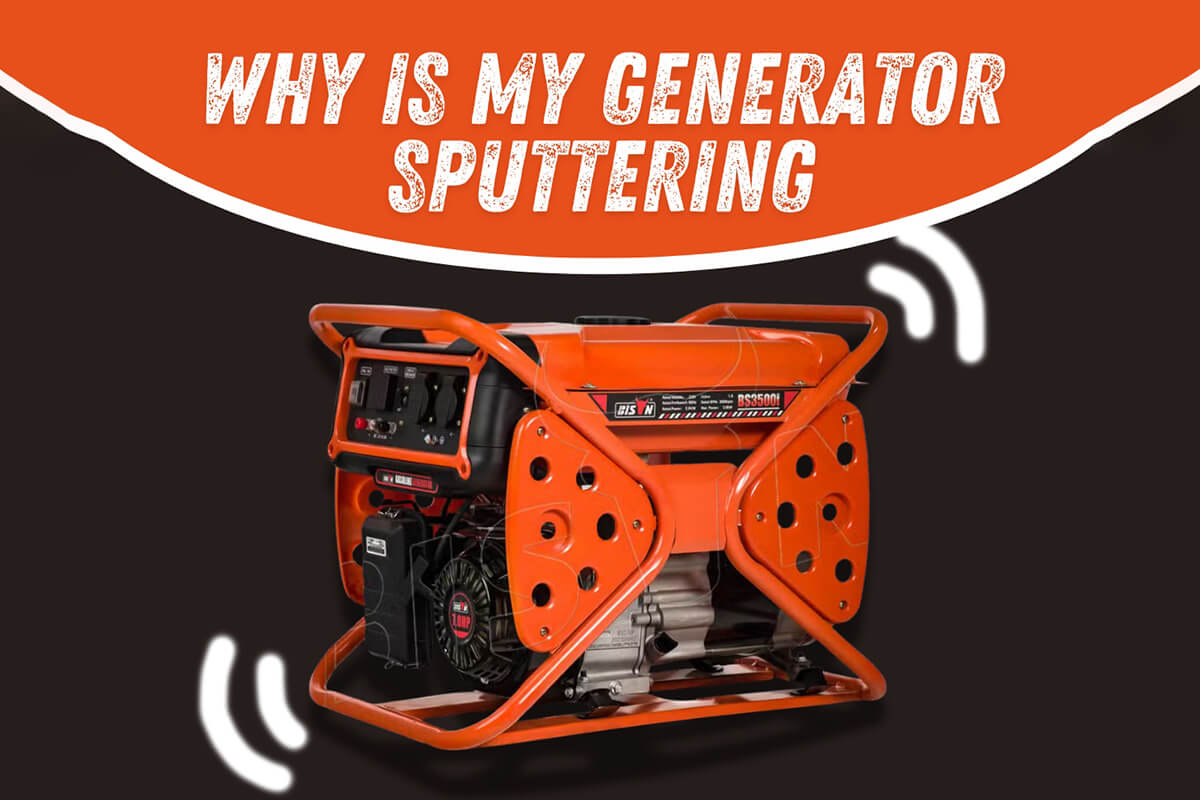
A generator converts fuel into electricity to keep lights on, tools running, and equipment powered. The choke regulates the air-fuel mixture needed for starting and smooth operation. You pull the cord on your generator, and it starts, but when you switch the choke to “run,” it stalls.
It indicates an imbalance in the air-fuel mixture, usually with too much air and not enough fuel. This problem is often related to the carburetor, fuel system, or engine components, such as a clogged carburetor, dirty fuel filter, kinked fuel line, weak fuel pump, or a faulty carburetor gasket.
This guide provides a step-by-step breakdown of the “Generator only runs on a choke” issue, covering simple troubleshooting methods and common causes, with the aim of helping you ensure that your BISON generator remains in a stable operating condition.
Understanding the choke and the air-fuel mixture
What does a choke do for a generator?
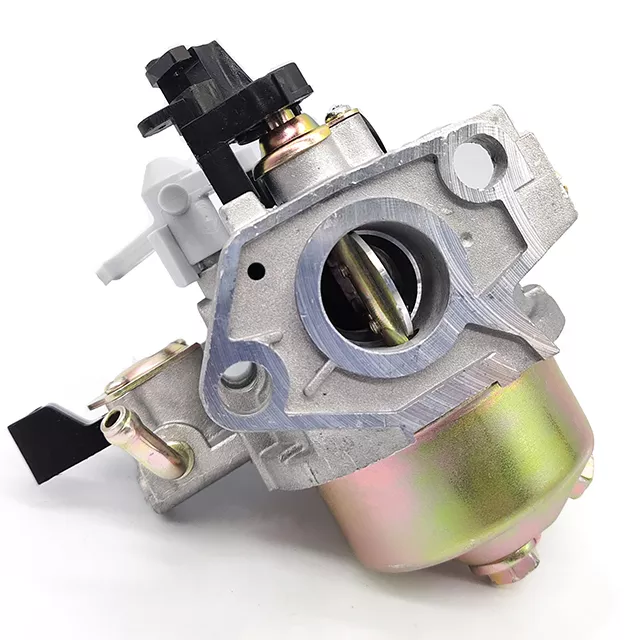
The choke is an essential part of the generator’s engine. It is a plate inside the carburetor that restricts airflow, creating a richer fuel mixture. This provides the extra fuel needed to start a cold engine.
The choke should be on when starting the generator and off when the generator is running. When the choke is on, airflow is reduced, producing a mixture with more fuel than air. When the choke is off, airflow increases, creating a leaner mixture with more air and less fuel.
Why the air-fuel mixture matters
The engine needs the correct balance of air and fuel to operate properly. Too much air and not enough fuel creates a lean condition, which can cause the engine to stall or fail to run.
If the generator only runs with the choke on, it indicates the engine is receiving too little fuel compared to air. Using the choke may keep it running temporarily but does not fix the underlying issue.
How to use a choke on a generator
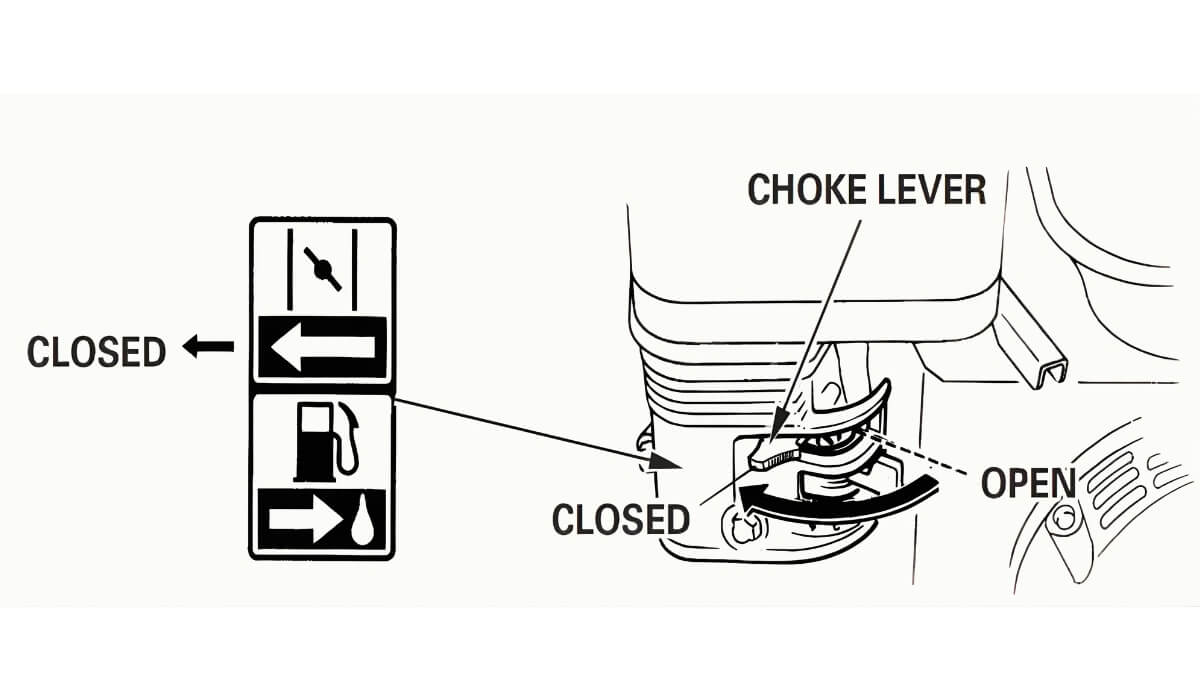
The choke lever is usually located on the side of the generator, often near or above the air filter, and sometimes integrated with the power control knob.
- Turn the fuel valve to the “on” position to allow fuel to flow into the carburetor.
- For a cold engine, move the choke to the “on” position to restrict airflow and enrich the fuel mixture.
- Turn the ignition on and pull the recoil cord to start the engine.
- Once the engine starts, let it run for a few moments, then gradually move the choke to the “run” position.
When the engine is warm, the choke should be in the “off” or “run” position. The direction of the choke lever may vary by model, so refer to the generator manual for proper operation.
Generators with an automatic choke adjust airflow without manual input, so no adjustment is needed. In both cases, relying on a closed choke is only a temporary solution rather than a fix for the problem.
Common reasons a generator runs only on choke
1. Fuel issues
Old or stale fuel can lose volatility over time, making it difficult for the engine to run without the choke. Fuel left in the tank for one to three months without stabilization can cause stalling when the choke is opened.
Using the wrong fuel type, such as ethanol-heavy blends, can also affect engine performance. Additionally, a clogged fuel cap vent may restrict fuel flow, while a dirty fuel filter can reduce fuel supply and create a lean condition.
2. Air-fuel mixture problems
Clogged carburetor jets, including the main jet and pilot jet, can restrict fuel flow and cause the engine to stall when the choke is off. Fuel may oxidize and leave deposits in the carburetor, especially in lower sections like the main jet.
A dirty air filter can disrupt the balance of the air-fuel mixture. Vacuum leaks or damaged gaskets can allow excess air into the system, creating a lean mixture that prevents smooth operation. A restricted pilot jet can also affect idling, as it controls fuel flow at low throttle.
3. Engine problems
A worn or fouled spark plug can weaken ignition, making it harder for the engine to run without a richer mixture. Low compression from worn piston rings or valves can also prevent proper engine performance without choke assistance.
4. Electrical issues
Faults in the ignition system, such as problems with the coil, ignition module, or wiring, can reduce spark strength. For electric-start generators, a weak battery may lead to starting difficulties and unstable operation.
Step-by-step troubleshooting guide and solutions
Before starting, ensure safety. Work in a well-ventilated area, turn off and cool down the generator, and disconnect the spark plug wire to prevent accidental starts.
Step 1 – Check the fuel
Drain old fuel from the tank and carburetor, as stale gasoline can cause lean running. Refill with fresh fuel of the correct type, ideally less than 30 days old. Clean the fuel cap vent to maintain proper flow and replace a dirty fuel filter if needed.
To drain fuel, close the fuel valve, then open the carburetor drain screw if available. Disconnect the fuel line and allow the tank to empty into a container. Refill with fresh gasoline and restart the generator. Adding a fuel stabilizer can help prevent fuel from going stale during storage.
Step 2 – Inspect the generator carburetor
Check for dirt or deposits that may restrict fuel flow. For a quick fix, spray carburetor cleaner into the intake while the engine is off.
For thorough cleaning, remove the carburetor bowl and clean the main jet, pilot jet, and emulsion tube. Ensure all small holes are clear of residue, using a fine wire if necessary. Reassemble carefully, making sure the gasket is properly positioned and not damaged.
If needed, remove and clean the pilot jet by accessing it near the throttle adjustment screw. Count the screw turns before removal so it can be reset correctly during reassembly. Avoid enlarging jets, as this can affect performance.
Step 3 – Check for air leaks
Inspect gaskets and connections between the carburetor and air intake. Loose fittings or damaged gaskets can allow excess air into the system, creating a lean mixture.
Spray starting fluid around suspected areas. If engine speed changes, a leak is present. Tighten connections or replace damaged gaskets as needed.
Step 4 – Inspect engine and electrical components
Check the spark plug for wear or fouling and replace if necessary. Inspect the ignition system, including coils, wiring, and the ignition module, for damage or loose connections.
Perform a compression check if needed. Low compression caused by worn piston rings or valves may require professional repair.
Preventive measures
- Regular operation: Run the generator monthly, even when not in use. Let it operate under load, such as lights or small appliances, for 15–20 minutes to keep the engine lubricated and prevent fuel from settling.
- Proper storage: For long-term storage, drain the fuel tank or run the generator until it is empty. This helps prevent fuel buildup and carburetor clogs.
- Routine maintenance: Clean the carburetor regularly to avoid dirt and varnish buildup. Replace the air filter to maintain the correct air-fuel mixture. Check the spark plug and ignition system, and replace worn components to ensure reliable starting.
Summary
If your generator only runs a choke, it usually indicates a lean fuel condition caused by issues such as clogged jets, stale fuel, or air-fuel mixture imbalances. Following a step-by-step troubleshooting process — checking the fuel, cleaning the carburetor, and inspecting engine components — can resolve most problems and help avoid costly repairs.
When it comes to reliable starting performance and long-term engine health, choosing the right generator from the start makes all the difference. As a trusted generator supplier, BISON generators are engineered with precision-tuned carburetor systems, ensuring smooth cold starts and consistent power delivery. Partner with BISON and offer your customers a generator they can truly count on.
FAQs