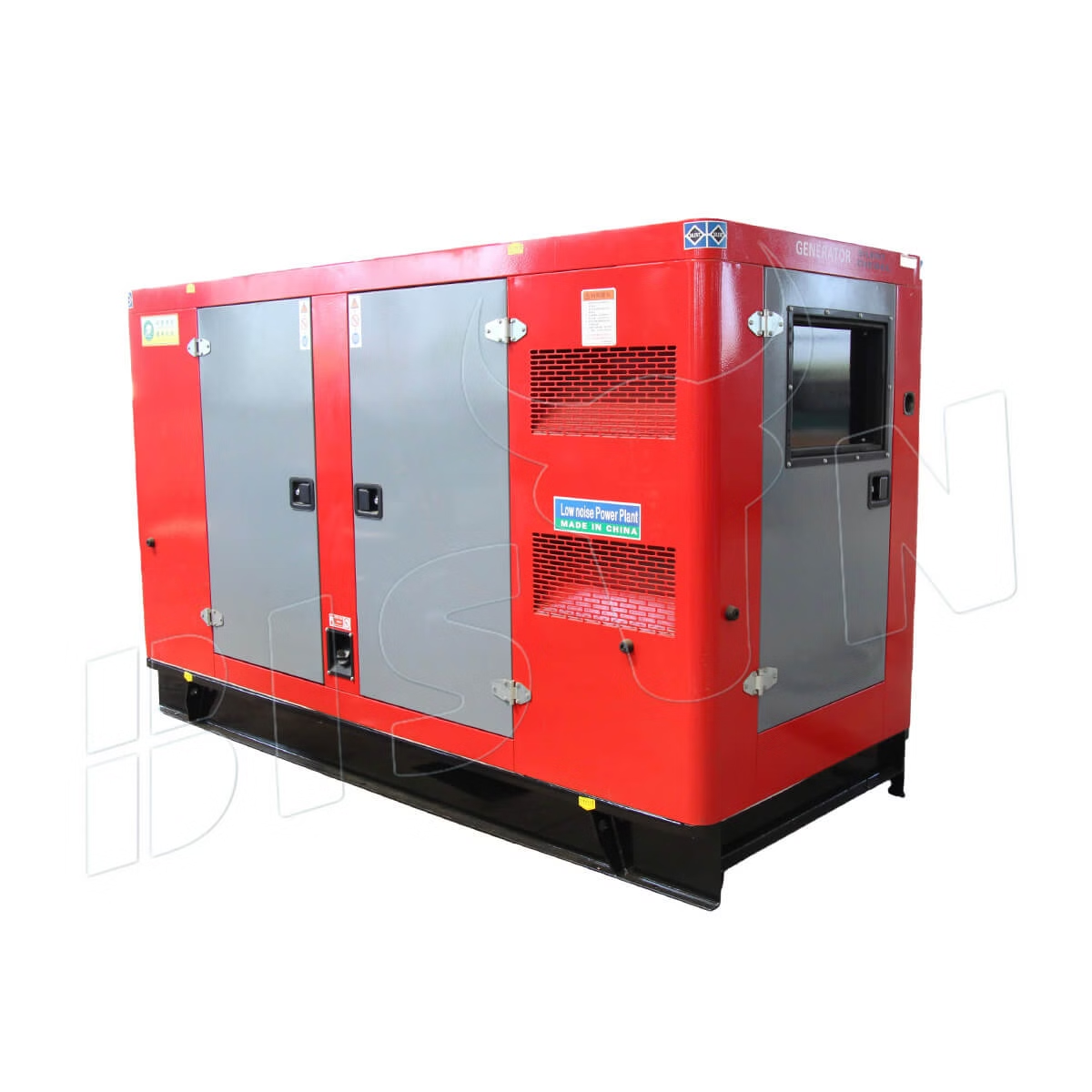
Diesel gensets are widely used as prime, standby, and emergency power sources, and they can also provide electricity for electric propulsion systems. Their importance is self-evident. However, one special fault that can occur during operation is overspeed.
Overspeed occurs when the engine runs faster than it should, potentially causing damage, safety hazards, and costly repairs. A diesel genset usually runs smoothly, quietly providing power to homes, businesses, or construction sites. But sometimes it may suddenly emit a high-pitched, alarming noise—this is a sign of overspeed. When the engine spins faster than its safe limit, serious problems can arise.
In this blog, BISON explains the main causes of genest overspeed, the potential consequences, safety systems to protect genests, and preventative measures.
Understanding overspeed
Overspeed occurs when a diesel genset’s engine runs faster than its designed speed. Every genset has a safe operating range—for example, a 1500 rpm genset may trigger an overspeed alarm or shut down around 1725 rpm. While speeds vary for different gensets, the principle is the same: exceeding the recommended engine speed is dangerous.
Engine speed directly affects the electricity produced. The relationship can be calculated with this formula:
f = N × P / 120
Where:
F = frequency of the electricity (hz)
N = engine speed (rpm)
P = number of poles in the alternator
If the engine runs too fast, the frequency rises above safe levels. This “over-frequency” can damage sensitive equipment, trip circuit breakers, and reduce the lifespan of connected devices.
What causes overspeed in a diesel genset, and how to solve it
Main causes of overspeed
The main reason for excessively high diesel engine speed is that the diesel engine has lost or altered its speed regulation characteristics. During normal operation, the engine speed suddenly increases, exceeding its rated speed, which can cause loss of control. Specific issues include:
1. Malfunctions in the fuel injection pump and governor
When the governor fails, it cannot control engine speed, allowing rpms to rise uncontrollably. This, combined with the “speed characteristic” of the plunger fuel injection pump—which increases fuel supply as speed rises—creates a vicious cycle, resulting in overspeed. Possible causes of the malfunction:
- Plunger, oil outlet valve seat, or plunger sleeve damage during assembly or repair.
- Loose fixing screws or improper positioning of plunger components.
- Sticking of the high-speed pedal pull rod, governor parts, or fuel adjustment rods.
- Excessive, dirty, or viscous lubricating oil in the governor slows the response.
- Weak or broken injector springs reduce injection pressure and increase fuel supply.
- Broken governor components, such as the flying ball pin shaft.
2. Excess fuel entering the combustion chamber
- High engine oil levels allow oil to.
- Leaned horizontal engines.
- Worn piston rings or excessive cylinder clearance.
- Poor air valve alignment or residual fuel after cleaning the air cleaner.
- Damaged supercharger oil seals or leaking solenoid valves.
- Stuck fuel rack or jammed fuel injector.
3. Turbocharger problems
A malfunctioning turbocharger may produce excessive boost, causing the engine to overspeed. Example: a faulty turbo valve allows the engine to rev higher than normal.
4. Electrical or control system causes
- Load rejection: sudden loss of electrical load may cause the engine to accelerate.
- Faulty AVR (automatic voltage regulator): Incorrect voltage feedback can cause the engine to rev too fast.
- Ecu (engine control unit) malfunctions: software glitches or wrong signals can unexpectedly increase fuel supply.
5. External factors
Combustible gases entering the intake system may burn inside the cylinder, leading to overburning and overspeeding. For example, a methane leak from nearby equipment.
Solutions for diesel genset overspeed fault
Step 1: Forced shutdown
Activate the emergency shutdown button if it is safe to do so.
For fuel injection pumps with exposed or toothed rods, pull the rods back to the stop position.
For engines with decompression devices, pull the decompression handle to release uncompressed gas and shut down the engine.
If a shut-off device is installed on the intake pipe, immediately turn it off or block the air filter intake with a cloth to cut off fuel and air. Also, close the tank and block the oil and gas supply, causing the cylinders to stop.
For gensets with a transmission, shift into high gear while pressing the brake pedal, then slowly lift the clutch to force the engine to stop.
Step 2: Diagnosis after shutdown
If the engine doesn’t accelerate normally when the pedal is raised quickly, the accelerator pedal stick or arm may be jammed.
If engine speed cannot be reduced immediately after shutdown, the governor may not be functioning correctly.
If lifting the accelerator pedal increases engine speed, the fuel injection pump may be faulty.
If the fuel supply system is normal but an overspeed occurred, excess fuel or oil may have entered the cylinders.
Review the fault log, check the control panel data, alarm messages, and sensor readings to determine the cause of the overspeeding.
Inspect the engine, alternator, and protection systems for any apparent damage.
Signs and effects of diesel genset overspeed
1. Warning alarms and shutdown systems
Most BISON diesel gensets are equipped with alarms and automatic shutdown systems that activate when engine speed exceeds safe limits. Audible or visual alerts warn operators of overspeed conditions, while shutdown systems disconnect the genset to prevent further damage.
2. Increased stress on engine components
Excessive speed puts extreme stress on critical engine parts, accelerating wear and tear and reducing performance. The signs include:
Pistons and valves: may bend, break, or collide.
Crankshaft and bearings: can crack or seize.
Flywheel: high-speed rotation may cause cracks or shattering.
3. Risk of catastrophic engine failure
If overspeed continues unchecked, it can push the engine beyond its mechanical limits, causing severe internal damage such as:
Broken connecting rods or crankshaft failure
Piston and valve damage
Alternator windings burned due to over-frequency
Damage to the AVR and connected electrical equipment
It emits a roaring sound, and a large amount of black or blue smoke comes out of the exhaust pipe.
4. Safety hazards
- Fire: Sparks or excess fuel may ignite.
- Flying debris: broken engine parts can cause injury.
5. Operational and financial impacts
- Downtime: operations may stop until repairs are completed.
- Repair or replacement costs: engine damage can be expensive to fix.
- Connected equipment damage: over-frequency and voltage spikes can harm devices, increasing financial loss.
Preventive measures and best practices
1. Routine maintenance
- Governor and actuator checks: inspect and adjust the governor and fuel actuators to ensure correct response to engine speed changes.
- Electrical system inspection: maintain secure, corrosion-free connections and verify that speed sensors and relays provide accurate readings.
- Fuel system maintenance: clean and inspect fuel pumps, injectors, and filters to prevent over-fueling or clogs. Ensure fuel quality meets manufacturer recommendations.
- Lubrication and component inspection: replace worn or damaged engine parts and ensure proper lubrication.
2. Testing safety systems
Periodically test overspeed shutdown systems to confirm proper operation. And, verify that emergency shutdown valves or flaps operate correctly during overspeed events.
3. Load bank testing
Use a load bank to simulate real operating conditions and confirm that the governor prevents overspeed. And run the genset to rated speed and adjust the overspeed setting to confirm the system trips correctly.
4. Operator training
Train operators to react quickly to overspeed alarms and conduct regular standard operating procedures (SOPs) and safety drills to ensure operators are prepared for safe responses.
Summary
Overspeed in a diesel genset can compromise efficiency, reliability, and safety. Understanding the causes, recognizing the symptoms, and taking preventive measures are essential to protect both the engine and connected equipment. Expert diagnosis and corrective action help prevent further damage and restore safe operation.
As a professional genset manufacturer in China, BISON offers a high-quality genset series. Our gensets are equipped with overspeed protection systems to prevent overspeeding and protect the engine and its connected equipment. For safe and reliable operation, BISON gensets are configured with a comprehensive safety mechanism that includes mechanical protection, electronic protection, and emergency systems, giving you and your customers peace of mind.